




Halloween socks work well as seasonal customizable products because the sock itself becomes a visible canvas for repeating patterns, names, faces, pets, and themed artwork. A strong design does more than look good on a flat mockup: it needs to stay readable around a curved surface and still make sense when the fabric stretches on the foot and ankle.
That makes Halloween socks a useful product for small seasonal collections. You can build one artwork idea into several variations, test a few customer groups, and use personalization to make the product feel more specific than a standard novelty sock. The 20 ideas below are designed around that practical mix of visual impact, repeatability, and printability.
What Makes a Halloween Sock Design Print Well?
Before choosing a design, remember that socks wrap around the leg and stretch in wear. Keep key faces, text, and small details clear at final size, and test placement around the heel, toe, cuff, and seams. For personalized designs, reuse the same base pattern and change details such as names, pet photos, or character roles. Always test the artwork both flat and on-foot before producing a larger batch.
20 Halloween Socks Design Ideas You Can Print
Classic Halloween Patterns
1. Pumpkin Patch Socks
Build a repeating pattern with jack-o'-lanterns in a few different expressions rather than using the same pumpkin over and over. Orange, cream, black, and muted green give the design a familiar fall palette, while a dark background makes the faces stand out.

2. Floating Ghost Socks
Use simple white ghost shapes with different poses - waving, hiding, carrying candy, or wearing a tiny hat. These simple forms are easy to repeat around the leg and remain readable even as the fabric stretches.

3. Bat Swarm Socks
Scatter bats in different sizes so the pattern feels active without becoming busy. A moon, a few stars, or a subtle gradient can add depth while keeping the main bat silhouettes clear.

4. Spider Web Socks
Place larger web shapes near the ankle or cuff and let smaller spiders repeat through the rest of the design. Keep the web lines thick enough to remain visible after the artwork is reduced and stretched.

5. Haunted House Socks
Use one simplified haunted-house silhouette as the anchor, then repeat smaller elements such as windows, moons, fences, or flying bats around it. This works well when you want a more illustrated look without filling the whole sock with tiny details.

Cute Halloween Socks for Kids
6. Cute Ghost Socks
Round ghost characters with smiling faces, blush marks, or tiny accessories keep the theme playful rather than scary. Use a small set of expressions so the repeat feels varied but still coordinated.

7. Black Cat Socks
Pair black cats with moons, stars, pumpkins, or witch hats. Bright eye colors and simple body shapes help the cats remain visible on darker backgrounds.

8. Candy Corn Socks
Turn candy corn into an easy repeat with alternating directions or funny faces. Because the shape is simple and color-blocked, it reads well at small sizes and can be used across both kids' and family sets.

9. Trick-or-Treat Candy Socks
Mix wrapped candy, lollipops, candy buckets, and small stars into one repeating pattern. A limited palette keeps the design from looking too crowded.

10. Cartoon Monster Socks
Create a lineup of friendly monsters with different horns, teeth, or expressions. Keeping each monster built from large shapes makes it easier to print and lets the design stretch without losing the character.

Spooky Adult Halloween Styles
11. Skeleton Socks
Use bones as a repeating pattern or build a more graphic "x-ray" style down the front of the leg. White or bone-colored artwork on black gives the strongest contrast and keeps the theme easy to recognize.

12. Gothic Halloween Socks
Combine moths, roses, crescent moons, thorns, old keys, or small skulls in a darker palette. Deep burgundy, black, charcoal, and bone white give the pattern a more mature look without relying on gore.

13. Blood Drip Socks
A bold drip pattern can sit around the cuff and extend downward in irregular lengths. Keep the edge simple so the design stays clean when wrapped around the leg.

14. Vampire Socks
Use fangs, bats, red drops, capes, or vintage portrait frames. A black-and-red palette makes the concept clear, while cream accents can give it a retro poster feel.

15. Zombie Socks
Rather than packing in realistic horror detail, use cartoon zombie hands, stitched faces, warning labels, or distressed type. These larger graphic elements tend to print more clearly and can appeal to customers who want a stronger Halloween look.

Personalized Halloween Socks
16. Halloween Face Socks
Place a customer's face inside a pumpkin, ghost body, vampire collar, or witch-hat frame, then repeat it around the sock. For the cleanest result, use a well-lit photo with a clear face and remove distracting background detail.

17. Pet Halloween Socks
Turn a pet photo into a repeating Halloween pattern by pairing the pet's face with bats, pumpkins, candy, or a small costume element. This works especially well as a personalized gift because the Halloween details support the pet portrait instead of competing with it.

18. Family Matching Socks
Create one shared pattern and customize each pair with a name, role, or character. For example, the same ghost family artwork can be adapted for Mom, Dad, kids, or grandparents while keeping the set visually consistent.

Halloween Socks for Businesses and Events
19. Seasonal Brand Logo Socks
A business can combine its logo with a restrained Halloween motif such as bats, spider webs, pumpkins, or orange-and-black accents. The logo should remain readable rather than disappearing inside a dense seasonal pattern. Use logos, characters, sports or team marks, and other protected artwork only when you own the rights or have permission for commercial use.

20. Halloween Event Merchandise
For parties, haunted attractions, school events, fundraisers, or seasonal pop-ups, add the event name, year, or location to a reusable Halloween pattern. The artwork can double as merchandise and a keepsake, especially when the design is specific to that event.

How Custom Halloween Socks Are Printed
The production method should be chosen after you know the sock material, the artwork style, and how much stretch the finished product will experience. The same design can behave differently on a thin polyester sock, a cotton-rich casual sock, or a thicker athletic style, so material testing matters before volume production.
Design preparation
Set the artwork at the correct scale, build repeats carefully, and keep important faces or text away from areas where the sock construction may distort them.
Pattern testing
Preview the design as a wrap rather than judging only a flat rectangle. Check where the repeat meets, where the heel interrupts the artwork, and what happens at the cuff.
Printing method selection
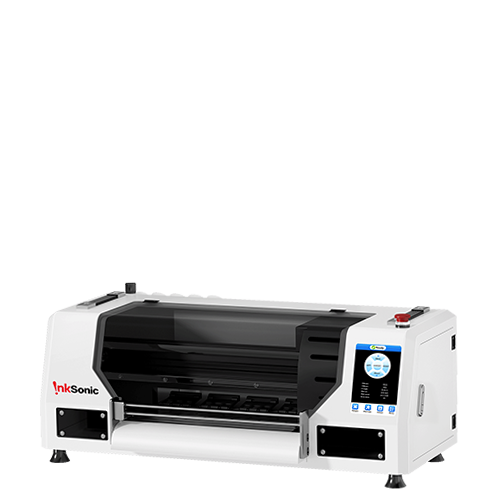
Choose the printing method by coverage and fabric. DTF is better suited to smaller localized graphics on compatible socks, while direct-to-fabric or dedicated sock printing is a better fit for larger or wraparound designs when the sock material and ink system are compatible.
Fabric testing
Confirm that the chosen process matches the fiber content and construction of the sock. Stretch, heat tolerance, ink or adhesive compatibility, and surface texture all affect the final result.
Final quality check
Inspect color, alignment, stretch behavior, surface feel, and durability. Test the sock on-foot as well as flat, because a design that looks centered before wear may shift once the fabric expands.
There is no single printing method that is automatically best for every Halloween sock. DTF can be practical for smaller transfer areas, direct printing can reduce the need for a separate transfer layer, and specialized sock printing can be useful when wraparound placement is central to the design. The better choice is the one that matches the sock material, design coverage, expected volume, and finish you want.
How to Make Halloween Sock Designs Print Well
Use High-Contrast Colors
Black paired with orange, white, acid green, purple, or red creates strong separation between the artwork and the sock base. If the background is already busy, reduce the number of competing accent colors so the main shapes remain easy to read.
Avoid Tiny Details
Details that look sharp on a monitor can disappear when they are reduced to sock scale or stretched around the foot. Keep facial features, lettering, web lines, and small icons large enough to survive real use. If a detail is important to the concept, test it at final print size before committing to the full pattern.
Design for Stretching
Allow extra breathing room around faces, text, and geometric elements. A narrow circle may become an oval on-foot, and closely spaced lines can pull apart. Repeats with organic shapes—ghosts, bats, candy, pumpkins—usually tolerate distortion better than rigid grids.
Create Multiple Variations From One Concept
A single Halloween idea can support several customer groups. The same ghost pattern can become a pastel kids’ version, a black-and-white adult version, a personalized name version, and a family set. Reusing the core artwork saves design time while still giving each listing a clear reason to exist.
FAQs
What Are the Most Popular Halloween Sock Designs?
Common Halloween sock themes include pumpkins, ghosts, bats, skeletons, black cats, candy, and haunted houses. Cute characters tend to fit kids and family collections, while gothic, vampire, and skeleton artwork gives adult designs a darker look.
Can You Print Custom Designs on Socks?
Yes. Custom sock decoration can use several production methods, including transfer-based decoration, direct printing, and specialized sock-printing systems. The right method depends on the sock material, how much of the surface needs to be printed, the level of stretch, and the equipment available.
What Type of Socks Are Best for Halloween Designs?
Choose socks that match the printing process first. Smooth surfaces generally make fine artwork easier to reproduce, while very textured or thick constructions may need larger, simpler graphics. Fiber content, stretch, heat tolerance, and the placement of seams or reinforced areas should all be tested before production.
Can I Sell Personalized Halloween Socks?
Yes. Names, faces, pets, couples, families, event details, and small business branding can all turn a standard seasonal pattern into a personalized product. Keep the ordering process simple, request usable customer photos when needed, and produce a physical sample before offering a new design at scale.


