


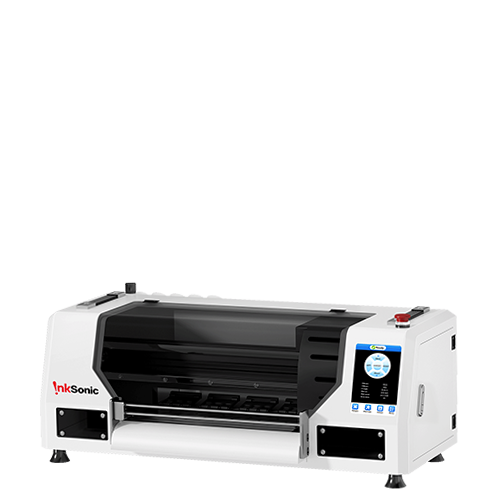


DTF transfers work most reliably on heat-resistant fabrics such as cotton, polyester, cotton-poly blends, canvas, and denim. They can also work on nylon, neoprene, leather, and paper, but the result depends on heat tolerance, surface texture, coatings, and whether the item can receive even pressure. Many plastics, acrylic, glass, ceramic, and heavily coated surfaces need more caution and may be better suited to UV DTF.
If you are asking what can DTF be applied to, the useful test is not just whether it sticks, but whether the material survives pressing and stays durable afterward.
DTF Material Compatibility at a Glance
Material |
Compatibility |
Main Consideration |
Typical Applications |
Cotton |
Reliable |
Standard textile application |
T-shirts, hoodies, totes |
Polyester |
Reliable With Testing |
Dye migration / heat sensitivity |
Jerseys, sportswear |
Cotton-poly blends |
Reliable |
Fabric composition |
Shirts, hoodies |
Canvas |
Reliable |
Texture / pressure |
Totes, aprons |
Denim |
Reliable |
Thick texture |
Jackets, jeans |
Fleece |
Test First |
Texture / pile |
Hoodies |
Felt |
Test First |
Texture / heat |
Crafts, patches |
Nylon |
Test First |
Coating / heat sensitivity |
Jackets, bags |
Spandex / Lycra |
Test First |
Stretch / heat |
Activewear |
Neoprene |
Test First |
Compression / heat |
Koozies, accessories |
Leather |
Test First |
Finish / heat sensitivity |
Patches, accessories |
PU / Faux Leather |
Test First |
Melting / pressure marks |
Bags, labels |
Wood |
Application-Specific |
Flatness / texture / heat |
Signs, blanks |
Metal |
Application-Specific |
Surface finish / pressure |
Flat blanks |
Paper / Cardboard |
Application-Specific |
Heat discoloration / durability |
Packaging, crafts |
Plastic |
Application-Specific |
Melting / warping |
Depends on plastic |
Acrylic |
Often Better With Another Method |
Heat deformation |
Rigid blanks |
Glass |
Often Better With Another Method |
Shape / pressure / adhesion |
Hard goods |
Ceramic |
Often Better With Another Method |
Shape / surface / washing |
Mugs, rigid goods |
Silicone |
Poor Fit for Standard DTF |
Very low adhesion |
Usually avoid |
The table is a starting point, not a universal yes/no list. DTF compatible materials can behave differently after a surface coating is added, after the fabric is waterproofed, or when the item cannot sit flat in a heat press. The same material name can also cover products with different finishes and heat resistance. That is why materials for DTF printing should be judged by the actual blank, not only by the fiber or substrate name.
Start with proven textile applications, then treat unfamiliar fabrics and hard surfaces as test-first materials. Heat tolerance, pressure, texture, coatings, and intended use matter as much as the material name.
Which Fabrics Work Best With DTF Transfers?
Traditional DTF is most predictable on textiles that tolerate heat and give the adhesive layer consistent contact. The adhesive powder creates the bonding layer that anchors the printed transfer to the fabric during pressing. Within that group, fabric construction still matters: a smooth cotton tee behaves differently from fleece, coated nylon, or a highly elastic activewear blank. The most useful DTF printing materials are therefore not simply "fabrics" but fabrics whose finish, texture, and heat response are known.
Cotton
DTF on cotton is one of the most reliable combinations for everyday apparel. Standard 100% cotton T-shirts, hoodies, and cotton totes usually tolerate the transfer process well, and both light and dark garments can be decorated without changing to a different printing method. Cotton also gives the adhesive layer a consistent textile surface, which makes it a useful baseline when comparing more difficult materials.
The fabric still needs to be flat enough for even contact. Heavy seams, pockets, thick hems, or unusually textured knits can change pressure across the design. If you are new to the process, a familiar cotton blank is a better place to validate artwork, pressing, and peel behavior before moving to coated or heat-sensitive garments.

Polyester and Cotton-Poly Blends
DTF on polyester is generally reliable, and it is common on jerseys, sportswear, blended T-shirts, and hoodies. The main caution is that polyester varies widely: some garments are more heat-sensitive, and some dyed fabrics can show dye migration into the transfer. Cotton-poly blends add another variable because the fiber ratio and construction change how the garment reacts under heat.
Compatible does not mean every polyester garment should use identical application settings. Check the blank manufacturer's guidance where available, and use a test press when the fabric is unfamiliar. A lower-risk workflow is to validate one sample before running a full order rather than assuming the same application temperature works across every jersey, performance shirt, and blend.

Denim, Canvas, Fleece and Felt
DTF on canvas and denim is usually reliable, but their thickness and texture can make contact less even than on a standard T-shirt. Seams and bulky construction on jackets, jeans, totes, or aprons can also lift parts of the artwork away from the platen.
Fleece requires more testing, and DTF on felt should be treated the same way. Pile and texture can leave small gaps beneath the transfer, while excessive pressure may flatten or mark the surface. On a textured surface, check the full artwork for even contact rather than judging only the center of the transfer.

Nylon, Neoprene, Spandex and Other Heat-Sensitive Fabrics
DTF on nylon is possible on some garments, but coatings are often the deciding factor. Waterproof jackets and treated bags may use a waterproof coating that resists adhesive or changes under heat. Thin synthetics can also shrink, glaze, or soften before the transfer is fully bonded, so these materials belong in the "test first"group rather than the "always compatible" group.
DTF on neoprene also needs controlled testing because compression, heat response, and peel method can affect the surface. Spandex and Lycra add another issue: stretch. If the garment stretches far more than the transfer layer can tolerate, cracking or edge lift may appear during use even when the first press looks successful. With any heat-sensitive material, check the fabric label, finish, and recovery after pressing before approving it for production.

Can You Use DTF on Leather, PU Leather and Faux Leather?
DTF on leather can work on some pieces, but the type of leather and its finish matter as much as adhesion. Genuine leather may contain oils, treatments, or coatings that change how the adhesive bonds, and heat can alter sheen or color. A small hidden test is safer than treating every leather patch or accessory as if it were a cotton blank.
DTF on PU leather needs extra caution because synthetic layers can soften, warp, or take marks from the carrier sheet. The same applies to DTF on faux leather: a transfer may bond successfully even when the material underneath has become glossy, compressed, or weakened. Successful adhesion does not automatically mean the substrate is production-safe, especially on bags, labels, and other pieces that flex repeatedly.
Before approving a leather-like blank, check the finish before and after pressing, inspect for pressure marks, and flex the sample after it cools. If the surface changes noticeably or the transfer begins to lift when bent, change the process or choose another decoration method rather than forcing the same settings onto the material.
Can You Use DTF on Hard and Non-Fabric Surfaces?
Traditional DTF can sometimes adhere to non-fabric surfaces, but hard goods do not behave like textiles. Flatness, heat tolerance, finish, and the ability to apply even pressure become more important, and long-term durability is less predictable. If you are asking what can you put DTF transfers on beyond clothing, treat each hard substrate as an application-specific test rather than an automatic extension of the apparel workflow.
Wood, Metal and Paper
DTF on wood is easiest to test on flat, smooth pieces. Rough grain can interrupt contact, while sanding may improve consistency on some blanks. Heat can also warp thin wood, and adhesive may spread slightly beyond fine artwork if the surface is uneven. A clean first transfer is useful evidence, but it does not prove long-term durability, especially for signs or pieces that will be handled outdoors.
DTF on metal is most practical on flat, heat-safe blanks that can sit evenly in the press. Clean and degrease the surface first, then consider whether it is coated or bare because the finish affects adhesion. Metal also conducts heat quickly, so the whole blank can become hot. Cooling before peel may be appropriate for some transfer systems, but follow the transfer supplier's instructions rather than assuming one peel method fits every metal piece.
Paper and cardboard can accept transfers in some craft or packaging applications, including gift bags, cardstock, notebooks, and flat blanks. The limiting factor is often heat discoloration or pressure marks rather than adhesive. These products also have different durability expectations from washable apparel, so a result that is adequate for a decorative package would not necessarily be suitable for a frequently handled sign.
Plastic and Acrylic
DTF on plastic depends entirely on the plastic formulation. Some heat-resistant plastics may stay stable, while others soften, melt, warp, discolor, or lose their surface finish well before a standard textile transfer is complete. Plastic is not one substrate category with one safe setting, so avoid using a universal temperature when the material specification is unknown.
DTF on acrylic has a similar limitation. Heat deformation is a major concern, and rigid geometry can make even pressure difficult without marking the face of the blank. If the exact plastic or acrylic heat tolerance is not known, test a spare piece first. For many rigid plastic and acrylic products, UV DTF is the more practical route because the final item does not need to go through a heat-press cycle.
Glass and Ceramic - When UV DTF May Make More Sense
DTF on glass may adhere in limited cases, but the shape of the finished object often creates more problems than the initial bond. Curved glasses, mugs, and ceramic pieces are difficult to press evenly, while washing and regular handling add another durability concern. Traditional apparel DTF was not designed around these rigid, often curved products.
Traditional DTF |
UV DTF |
Uses heat + pressure |
Uses adhesive transfer film |
Best established for textiles |
Better suited to many rigid hard goods |
Requires heat-tolerant substrate |
Does not require heat pressing onto the final item |
Works well on cotton, polyester, blends, etc. |
Commonly used on glass, acrylic, metal, mugs, and similar surfaces |
For a rigid hard surface, check whether UV DTF fits the job before forcing a traditional transfer onto it. UV DTF is commonly used for small decorated objects because it avoids the need to press the final item with heat. It is not universal either: surface cleanliness, shape, finish, and intended use still affect the result. The distinction matters because traditional DTF and UV DTF use different transfer systems and should not be treated as interchangeable processes.
How to Tell Whether a Material Is Suitable for DTF
When testing an unfamiliar substrate, material name alone is not enough. The item has to tolerate the transfer process and the finished decoration has to survive its intended use. Use the checks below before committing to a production run.
1. Heat Tolerance
Check heat resistance before anything else. Will the item melt, warp, shrink, discolor, or lose its finish at the required application temperature? If the substrate visibly changes during pressing, it is a poor candidate for standard DTF settings even if the adhesive seems to stick.
2. Surface Coating
Look for waterproof coatings, silicone, oils, waxes, or specialty finishes. A surface coating can interfere with adhesion or react to heat. This is common on outdoor jackets, treated bags, faux leather, and protective hard-goods finishes.
3. Surface Texture
Ask whether the transfer can contact the whole design. A smooth surface is easier to press evenly; a highly textured surface can leave small areas under-bonded even when most of the artwork looks secure.
4. Pressure and Shape
The object must sit flat enough for the heat press to apply consistent pressure. Seams, raised areas, curves, handles, or recessed sections can keep part of the artwork from contacting the platen. Hard objects that cannot receive even pressure are poor candidates for traditional DTF.
5. Stretch
Flexible materials need enough give for the transfer to move with the product. If the substrate stretches far beyond the transfer layer, edge lift or cracking can appear later. Test the item in the same way it will be stretched during normal use.
6. Intended Use
Initial adhesion is only the first check. Consider whether the item will be washed, bent, scratched, handled frequently, exposed outdoors, or exposed to moisture. A transfer that survives one press may still fail its real use case.
7. Test Before Production
Use an offcut, spare blank, hidden area, or small design for the first test. Inspect immediate adhesion and surface damage, then check the piece after it cools and again after about 24 hours. Where relevant, add a bend, scratch, or wash test before approving the job.
If a substrate cannot tolerate the required heat or receive even pressure, adhesive compatibility matters very little. Silicone, very heat-sensitive plastics, heavily coated or highly textured materials, and complex shapes that deform or cannot sit flat are generally poor candidates for traditional DTF.
DTF Material FAQs
Can DTF print on any fabric?
No. Cotton, polyester, blends, canvas, and denim are among the more reliable options. Nylon, spandex, neoprene, coated fabrics, and other heat-sensitive textiles need more testing because heat tolerance, coatings, stretch, and peel behavior can change the result.
What surfaces can you put DTF on?
Traditional DTF is most predictable on heat-resistant textiles such as cotton, polyester, blends, canvas, and denim. It may also work on leather, neoprene, wood, metal, paper, and some other surfaces when heat, pressure, and surface conditions are suitable.
Can you transfer DTF onto plastic?
Some heat-resistant plastics may work, but plastic types vary widely in softening temperature and surface properties. Test the exact blank first. For many rigid plastic products, UV DTF may be more suitable than a heat-applied transfer.
Can you use DTF on leather?
Yes in some cases, but leather type, coating, finish, and heat tolerance matter. PU and faux leather may soften, warp, or show pressure and carrier-film marks, so test the exact material before production.
Can you use DTF on sublimation blanks?
DTF on sublimation blanks is possible in some cases, but a product being sold for sublimation does not guarantee traditional DTF compatibility. Check the material, coating, heat tolerance, geometry, and whether the blank can receive even pressure before using it for a customer order.


