









Thinking about starting a home-based UV DTF business in 2026? Here’s the reality: the people making money with UV DTF usually aren’t the ones with the biggest workshops or the most expensive machines. They’re the ones choosing products people already want, keeping their workflow simple, and understanding where the real profit comes from.
And honestly, that part matters more than most beginners realize. The personalized gift market is expected to reach $334.9 billion globally in 2026, with North America and Europe continuing to drive a huge portion of the demand. That’s one of the biggest reasons UV DTF has grown so quickly over the past few years. Small businesses want affordable customization, and customers are still willing to pay premium prices for products that feel personalized or branded.

What Exactly Is a UV DTF Business?
A UV DTF business uses UV transfer film to apply designs onto products like glass cups, candle jars, cosmetic containers, acrylic items, metal surfaces, and boutique packaging. Instead of printing directly onto the product itself, the design is printed onto a special adhesive film and then transferred onto the surface.
The process sounds simple — and honestly, compared to some other printing methods, it is. But what makes UV DTF interesting for small businesses is flexibility. You can create premium-looking customized products without needing a large production space or massive inventory upfront. That’s a huge advantage for home-based sellers trying to start lean. And unlike what a lot of YouTube videos make it seem, most customers don’t actually care what machine you own. They care whether the final product looks clean, premium, and worth paying for.
Why a UV DTF Business Can Be Profitable in 2026
Making money with UV DTF has a lot less to do with the printer than people think. The businesses that usually grow faster are the ones selling products customers already understand and are comfortable buying online. Personalized drinkware is a good example because it naturally fits the gift market and performs extremely well on platforms like Etsy and TikTok.
The market itself is also growing quickly. UV-based direct-to-shape printing is already a multi-billion-dollar industry and is still growing at more than 10% annually, which says a lot about how fast demand for customized products is expanding. On the retail side, personalized glass cups on Etsy regularly sell for around $15–$35, depending on the design, packaging, and branding. And in many cases, the actual production cost is only a small percentage of the final selling price.
That’s where the business starts making sense.Not because the printer is magical. Because the margins can be surprisingly good when the product positioning is right.

What It Actually Costs to Start
This is where a lot of beginners underestimate things. The startup cost is usually manageable compared to opening a traditional print shop, but the hidden costs add up faster than people expect — especially during the learning phase. A realistic beginner setup often looks something like this
|
Item |
Estimated Cost |
|
UV DTF Printer |
$2,299 – $12,495 |
|
Film Roll |
$175 – $300 |
|
UV Ink |
$75 – $85 per liter |
|
Blank Products |
$2 – $4 each |
|
Packaging & Shipping |
$1 – $3 per order |
| Design Software | $20 – $50/month |
|
Total |
$3,000 - $15,000 |
And then there’s the part nobody talks about enough: waste. You’re going to ruin prints in the beginning. Colors will look off. Alignment issues happen. Some products simply won’t turn out the way you expected.
That’s normal. Most experienced sellers factor mistakes into the budget from day one instead of pretending every print will be perfect immediately.
How Quickly Can You Recover Your Investment?
This is usually the first thing people really want to know.
And the honest answer is: it depends far more on your products and traffic than the printer itself.
Let’s use personalized glass cups as a simple example:
Selling price: around $20–$30
Material cost: roughly $3–$6
Packaging and shipping: around $2–$5
Marketplace fees: typically 5–10%
That can leave roughly $12–$20 profit per sale before advertising costs.
So if someone starts with a setup costing around $5,000 and manages to sell even 5–10 products per day consistently, recovering the initial investment within several months is completely realistic.
But this is where many people fail:
They spend weeks researching printers while spending almost no time thinking about branding, product photos, or how they’ll actually get traffic.
And in most cases, traffic matters more than print specs.

What Actually Sells in a UV DTF Business
The UV DTF businesses that usually grow faster aren’t the ones constantly chasing complicated designs or expensive equipment. They’re the ones selling products people already understand and are willing to buy without much hesitation.
Personalized glass cups continue doing well because they naturally fit the gift market and photograph extremely well on platforms like Etsy and TikTok. Boutique packaging and cosmetic containers are also strong categories, especially for small brands that need short-run customization without ordering massive quantities upfront. And honestly, this is where a lot of small sellers miss a big opportunity.
Packaging customers often reorder regularly, which creates much more stable long-term revenue than constantly chasing one-time viral products. Most beginners get this backwards. They spend heavily on equipment before validating demand, underestimate material waste, and focus too much on the printing itself instead of the product presentation.
But customers rarely buy because you own a printer. They buy because the product feels premium, the branding looks trustworthy, and the overall presentation makes the item feel worth paying for.
Choosing Your First UV DTF Printer
A lot of beginners get trapped comparing specs all day.Print speed. Resolution. Head configuration.Some of that matters — but not as much as people think. What actually affects your day-to-day business is whether the machine is reliable enough to run consistently without turning every order into a maintenance problem.
Ease of maintenance matters. Consistent output matters. Good support matters. Because once customer orders start coming in, downtime gets expensive very quickly.
In many cases, a slightly more expensive but beginner-friendly setup ends up saving far more money long term than buying the cheapest machine possible and constantly fighting clogging issues or failed prints.
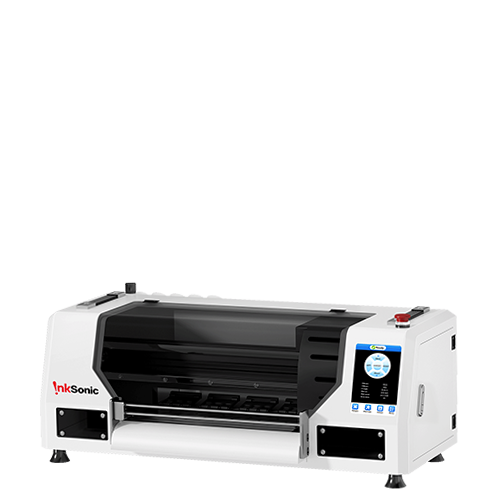
If you’re looking for a machine that hits this sweet spot — reliable, easy to maintain, and designed for home-based UV DTF businesses — the InkSonic A3 UV DTF Printer – VF13 is built with exactly this in mind. It allows you to focus on selling and branding instead of troubleshooting every print, making it easier to start small and scale quickly.

Is Starting a UV DTF Business Worth It?
For a lot of small businesses, yes. UV DTF sits in a very interesting spot right now. The startup cost is still relatively accessible, demand for customized products continues growing, and small home-based sellers can compete without needing a massive production setup.
But the people succeeding with it usually understand something important early on: This is not really a “printer business.” It’s a product and branding business first. The printer is just the tool behind it.


