


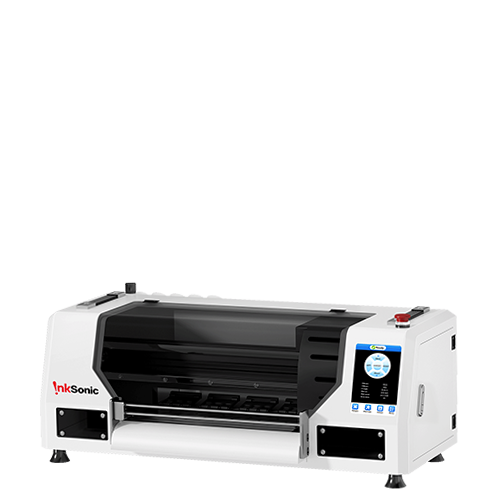


For most small DTF apparel businesses, the best heat press is not simply the largest or most automated machine. It should deliver even heat, consistent adjustable pressure, a platen that fits the transfers you sell, and enough cycle capacity for your daily orders.
For occasional jobs, a reliable manual press is often enough. As orders become more regular, an auto-open model can reduce repetitive work. High-volume shops should look at dual-station equipment or multiple presses—but only after identifying what is slowing production down.
Best Heat Presses for DTF by Use Case
The best heat press for DTF depends on how often you press, the size of your transfers, and where your workflow slows down. A beginner does not need the same machine as a shop producing hundreds of transfers per week. The models below represent different production needs rather than a single “best” option.
Use Case |
Model Example |
Platen / Type |
Automation |
Best For |
Main Trade-off |
Best for beginners |
Stahls' Hotronix MAXX Clam 15×15 |
15×15 in. clamshell |
Manual |
First DTF setup, small apparel shops, standard transfers |
Less convenient for oversized garments or higher-volume workflows |
Best small shop upgrade |
Geo Knight DK20S |
16×20 in. swing-away |
Manual |
Daily T-shirt production, larger graphics, easier garment positioning |
Requires more workspace than compact clamshell presses |
Best auto-open option |
Stahls' Hotronix Auto-Open 16×20 |
16×20 in. clamshell |
Auto-open |
Shops handling repeated cycles and wanting fewer manual steps |
Higher cost than a basic manual press |
Best high-volume setup |
InkSonic Dual Station Heat Press |
Dual-station configuration |
Automatic / workflow-focused |
Growing DTF businesses needing faster production flow |
Requires more space and higher upfront investment |
Best premium production option |
Stahls' Hotronix Dual Air Fusion IQ |
16×20 in. dual platen pneumatic |
Pneumatic dual station |
Commercial shops with consistent daily volume |
Premium price and more complex setup |
Availability and pricing checked: October 2026.
For most small DTF businesses, the right starting point is usually a reliable 15×15 or 16×20 press with consistent heat and pressure. Move toward auto-open, dual-station, or pneumatic equipment only when pressing becomes a production bottleneck. A more advanced press can improve workflow, but it does not replace good transfer settings, correct curing, or consistent operation.
What Makes a Heat Press Good for DTF Transfers?
A good DTF heat press should provide stable conditions across every cycle. Instead of focusing only on extra features, evaluate the parts that directly affect transfer quality and daily production.
Feature |
Why It Matters |
Heat consistency |
Ensures the transfer cures evenly across the design. |
Pressure consistency |
Helps prevent incomplete adhesion or lifting edges. |
Pressure adjustment |
Allows different garments and transfers to be pressed correctly. |
Platen size |
Determines the maximum transfer area you can handle. |
Heat recovery |
Matters for repeated production cycles. |
Timer / auto-open |
Improves workflow consistency. |
Build quality & support |
Reduces downtime for regular production. |
For DTF, consistent heat and pressure matter more than extra features or maximum temperature ratings. A reliable press that delivers repeatable results is usually more valuable than a machine with more settings but less consistency.
What Heat Press Size Fits the DTF Transfers You Sell?
Choose platen size based on the largest transfers and garments you press regularly, not the size of your business. A small logo and a full front graphic may require very different working areas, especially when seams, pockets, collars, or thicker garments affect positioning.
Platen Size |
Common Uses |
9×12 / 12×10 in. |
Small logos, kids’ garments, sleeves, and occasional projects |
15×15 in. |
Standard T-shirts, everyday DTF transfers, and most small-shop orders |
16×20 in. |
Hoodies, jerseys, oversized graphics, and larger garment areas |
Larger sizes |
Oversized transfers or higher-volume production needs |
A 15×15-inch press is a practical starting point for many small shops because it handles common T-shirt transfers without requiring excessive workspace. Move to 16×20 when larger designs, hoodies, or frequent repositioning become part of your regular orders.
The usable pressing area matters more than the listed size alone. A transfer may fit on paper but still be difficult to position around pockets, seams, or zippers. Consider the garments you print most often, not only the artwork dimensions.
Clamshell vs Swing-Away: When Does Auto-Open Help?
Clamshell and swing-away describe how the heated platen moves, while auto-open is a feature that can be added to either design. Choose the press style based on your workspace, garment types, and workflow needs. Automation should be considered separately based on production volume.
Press Type |
Best For |
Clamshell |
Small shops, standard T-shirts, limited workspace, and simple workflows |
Swing-away |
Easier garment positioning, thicker items, and users who need more platen access |
Auto-open feature |
Repeated production where reducing manual steps and missed press times matters |
A clamshell press is often the practical starting point because it takes less space and fits common apparel jobs. A swing-away design can be more comfortable when you frequently position larger graphics or thicker garments. Auto-open does not improve transfer quality by itself; its value comes from making repeated cycles easier to manage.
How Much Heat Press Capacity Does Your DTF Business Need?
Rated cycle time is only part of production capacity. Each order also takes time to load, align, press, peel when required, unload, and inspect. The right setup is the one that can keep up with your actual order mix while maintaining consistent results.
Occasional or Low-Volume Orders
A reliable manual, single-station press is usually enough for samples, personal projects, and occasional customer orders. You can still produce professional results with a manual machine if temperature, pressure, timing, and garment positioning are consistent. At this stage, stability and support are usually more valuable than extra automation.
Regular Daily DTF Orders
When orders arrive every day, pay more attention to how the operator moves through the cycle. Easy loading, repeatable positioning, good heat recovery, and auto-open can reduce interruptions. Ergonomics also become more important because repeated lifting and reaching can slow the operator down over a full shift.
High-Volume Transfer Production
For sustained production, consider a dual-station press, a pneumatic model, or multiple presses. These options can help keep work moving when loading and unloading take a meaningful share of the cycle. Compare the whole workflow, however: a faster press will not increase finished output if transfer preparation, peeling, inspection, or the next production step cannot keep pace.
Where Does the Heat Press Become the Bottleneck?
Track a typical batch from loading the garment to having the finished shirt ready for inspection. If positioning takes longer than pressing, check whether the platen is too small for your garments or the press design makes loading awkward. A larger platen helps when the artwork or garment dimensions limit placement, while a swing-away design may make alignment easier by improving access. If temperature recovery is slow, check the heating performance. If peeling and unloading create the queue, a faster press alone will not solve the problem.
A short time study across several orders is more useful than relying on the machine’s advertised cycle time. Record loading, pressing, peeling, and unloading separately. That shows whether the next investment should be automation, a second station, a different platen size, or a change to the surrounding workflow.
One Large Press or Multiple Smaller Presses?
One large press makes sense when you regularly need extra platen area for oversized transfers or bulky garments. Multiple smaller presses may be better when most designs are standard size and you need parallel production. With two presses, one operator may load the second press while the first is running, provided the layout allows safe movement and both cycles can be monitored. If staffing allows, a second operator can run each press independently.
Before adding another machine, check floor space, electrical requirements, ventilation and heat around the work area, and whether you have enough people to keep both presses supplied. More equipment creates more capacity only when the rest of the workflow can use it.
When Is an Automatic Heat Press Worth Paying For?
An automatic press is most valuable when it reduces repetitive work, keeps cycle timing consistent, and lets the operator move to the next task sooner. An auto-open model releases the garment at the end of the set cycle, so the operator can prepare the next item instead of watching the timer. This matters most when pressing is repeated throughout the day.
Automation does not automatically produce better-looking transfers. The operator still needs to position the design correctly, use the transfer maker’s recommended settings, and check the finished result. If you press only a few shirts a week, the added cost may not pay off. If missed cycles, fatigue, or slow manual operation regularly interrupt production, automation may be worth the investment.
How Much Should You Spend on a DTF Heat Press?
Set the budget around the work the press must handle. A basic manual press can be suitable for low-volume production, while frequent orders may justify a larger platen, more reliable temperature control, easier pressure adjustment, or auto-open. For high-volume work, consider whether dual-station or pneumatic operation will reduce a real bottleneck rather than paying for features you will rarely use.
Look beyond the purchase price. Ask about platen temperature consistency, pressure adjustment, replacement parts, warranty coverage, technical support, and the machine’s recommended duty cycle. Include shipping, setup, power requirements, and any accessories the advertised package leaves out. A low-cost press can become expensive if uneven results lead to repeat pressing, wasted transfers, or avoidable downtime.
If possible, test the press with a transfer and garment similar to your regular jobs. Check the center and edges of the design, then repeat the test. Consistent results across several cycles are a stronger buying signal than a long feature list.
Which DTF Heat Press Setup Fits Your Business?
Match the press to the transfers, garments, and order volume you handle most often. The right setup is not the most advanced option, but the one that fits your current workflow without creating unnecessary complexity.
Business Stage |
Recommended Setup |
Occasional orders |
15×15 manual press |
Regular T-shirt production |
15×15 or 16×20 press with consistent controls |
Large graphics and hoodies |
16×20 press or larger platen |
Growing production |
Auto-open press or a more efficient loading workflow |
High-volume production |
Dual-station, pneumatic, or multiple press setup |
Start with the platen size and production capacity your current orders require. Upgrade to automation or additional stations when pressing becomes a real workflow bottleneck, not simply because a more advanced machine is available.
Best Heat Press for DTF FAQs
Is a 15×15 or 16×20 Heat Press Better for DTF?
A 15×15-inch press handles many standard T-shirt transfers and is a practical choice for a small shop. Choose 16×20 if you regularly press large front or back graphics, hoodies, or designs that need more positioning room. Base the decision on your usual transfer dimensions, not on the idea that a larger press is always better.
Do You Need a Special Heat Press for DTF Transfers?
You do not necessarily need a press made exclusively for DTF, but it must provide stable, even heat and adjustable pressure across the transfer area. Follow the transfer supplier’s temperature, pressure, time, and peel instructions, and confirm that the press can apply those conditions consistently to your garments.
Is a Clamshell or Swing-Away Heat Press Better for DTF?
A clamshell is usually more compact and works well for standard shirts in a small workspace. A swing-away gives clearer access to the lower platen, which can help with alignment or thicker garments, but it needs more room. Neither design guarantees better transfer quality; consistency matters more than the frame style.
Can One Heat Press Be Used for DTF, HTV, and Sublimation?
Yes, one suitable heat press can often be used for DTF, heat transfer vinyl, and sublimation, provided it can meet each process’s required settings. Use the correct time, temperature, and pressure for the specific transfer or substrate. A heat press cannot make an incompatible fabric suitable for sublimation, and settings should not be assumed interchangeable across methods.
How Can You Tell If a Heat Press Has Even Heat and Pressure?
If possible, verify platen temperature at multiple points with heat-press temperature strips or a suitable contact temperature probe. An infrared thermometer can be useful only when its emissivity and measurement method are appropriate for the platen surface. Repeat the test after several cycles, then confirm pressure consistency with a representative transfer.


