


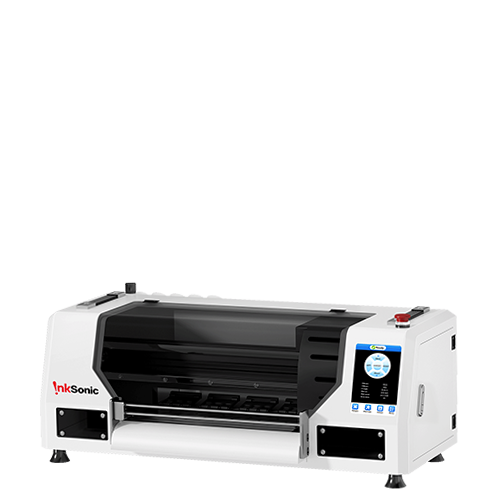


The best apparel printing machine depends on what you print, how often you print, and how you expect the business to grow. A shop selling mixed-fabric custom T-shirts needs a different setup from a sportswear brand, a premium cotton label, or a team-uniform business.
Before buying, compare garment materials, order volume, design variation, production speed, maintenance requirements, and total setup cost. A DTF printer offers broad fabric flexibility, while DTG, sublimation, screen printing, and HTV each fit different workflows. The goal is not to find one machine that is "best" for everyone, but to match the method to the products you sell and the workload your team can realistically manage. That choice also affects labor, turnaround time, and how easily you can add new products as the business grows.
Which Type of Apparel Printing Machine Is Right for Your Business?
Start with the printing method, not the machine model. Each technology handles fabric, artwork, order size, and finishing differently, so the right apparel printer depends on the work you expect it to do most often.
Printing Method |
Best For |
Fabric Compatibility |
Ideal Business Scenario |
Main Limitation |
DTF |
Flexible custom apparel |
Cotton, polyester, blends |
Small business, custom orders, varied products |
More workflow steps and consumables |
DTG |
Detailed garment printing |
Mainly cotton |
Premium cotton apparel |
Fabric limits and pretreatment |
Sublimation |
Sportswear and polyester |
Polyester |
Athletic wear, all-over prints |
Limited fabric/color compatibility |
Screen Printing |
Large repeat orders |
Wide range |
Bulk production |
Setup time per design |
HTV |
Simple personalization |
Many fabrics |
Names, logos, small batches |
Labor-intensive for complex designs |
DTF Printers
DTF prints a design onto PET film, adds adhesive powder, cures the transfer, and then heat-presses it onto the garment. Because the design is transferred rather than printed directly onto the fabric, DTF can work across a wide range of materials and colors without changing the basic printing setup for each order.
Best for: Cotton, polyester, blends, light and dark garments, small batches, and frequently changing designs
Limits: Requires film, powder, curing, heat pressing, and regular white-ink maintenance
DTG Printers
DTG prints ink directly onto the garment, similar to how an inkjet printer prints onto paper. Dark garments usually need pretreatment before printing, followed by curing to fix the ink. This direct-print process works especially well for detailed graphics, gradients, and photographic designs on cotton.
Best for: Premium cotton T-shirts, detailed artwork, photos, and short runs
Limits: Works best on cotton; dark garments need pretreatment, while polyester and blends may require more testing
Sublimation Printers
Sublimation prints dye onto transfer paper and uses heat to turn the dye into gas, allowing it to bond with polyester fibers. Because the dye becomes part of the material instead of forming a layer on top, the finished print stays lightweight, breathable, and highly durable.
Best for: Polyester jerseys, sportswear, performance apparel, and all-over prints
Limits: Best on white or light-colored polyester; not suitable for standard dark cotton garments
Screen Printing
Screen printing pushes ink through a prepared mesh screen onto the garment. Each color normally requires its own screen, so setup takes more time upfront, but once the screens are prepared, the same design can be printed efficiently in large quantities.
Best for: Bulk orders, uniforms, event shirts, merchandise runs, and repeat designs
Limits: More setup for each design and color, making it less efficient for one-off jobs or frequent artwork changes
HTV and Print-and-Cut
HTV uses vinyl that is cut into a design, weeded, positioned on the garment, and applied with a heat press. Print-and-cut systems follow a similar process but can handle printed graphics before cutting. The workflow is simple, but much of the work still depends on manual cutting, weeding, positioning, and pressing.
Best for: Names, numbers, simple logos, team apparel, and basic personalization
Limits: Manual weeding and positioning become time-consuming as designs get more detailed or order volume increases
How to Choose an Apparel Printing Machine for Your Products and Business Model?
After narrowing the technology, match it to your products and sales model. A garment printer should fit the jobs that pay the bills most often, not the occasional project that looks impressive on a spec sheet.
Your Situation |
Recommended Technology |
Printing different garment types |
DTF |
Mainly cotton premium shirts |
DTG or DTF |
Sportswear and polyester products |
Sublimation or DTF |
Many unique customer designs |
DTF / DTG |
Large repeated orders |
Screen printing |
Simple names and logos |
HTV |
Testing a new apparel business |
Outsourcing or lower-investment setup |
What Materials Do You Print?
Start with the fabrics you sell most often. DTF works across cotton, polyester, blends, and dark garments, while DTG is strongest on cotton and sublimation is better suited to polyester sportswear.
Specialty fabrics still need testing because coatings, stretch, texture, and heat tolerance can affect the result. Check your best-selling blanks against the printer’s supported materials before comparing speed or price.
How Many Orders Do You Expect?
Order volume matters, but average order size matters more. DTF and DTG are better suited to one-off and small-batch jobs, while screen printing becomes more efficient for larger repeat runs using the same artwork.
Look at average order size, peak-day volume, and repeat frequency. These numbers will show whether your real bottleneck is setup time, print speed, finishing capacity, or inconsistent demand.
How Often Do Designs Change?
If customer artwork changes often, digital methods such as DTF and DTG are easier to manage because designs can be updated without rebuilding physical screens. Screen printing works better when the same artwork is repeated, while HTV remains useful for names, numbers, and simple personalization.
Frequent revisions also favor digital workflows. Choose the machine based on your actual mix of fabric, order size, and design turnover rather than advertised specifications alone.
What Should You Consider Before Buying an Apparel Printing Machine?
Printable Area and Machine Size
Printable area matters more than the outside dimensions of the clothing printing machine. Check the maximum usable width and length against your most common artwork, including oversized front and back designs. A compact 13-inch machine may cover standard shirt graphics, while oversized streetwear may need more width.
Before buying, measure the complete workstation, not just the printer:
· feed clearance and film-roll space
· platen movement and loading room
· service-door swing and maintenance access
· ventilation space plus the footprint of the heat press or curing unit
The advertised machine size does not always equal the usable printing area—or the floor space needed to operate it comfortably. A compact printer can still create a crowded workstation if finishing equipment is ignored during planning.
Production Speed and Realistic Output
Separate printer speed from finished-garment output. A spec may state minutes per print, but completed production includes more than the printer itself.
Finished output also includes loading and, where required, pretreatment; powdering, curing, and heat pressing; then unloading, cleaning, and routine maintenance.
InkSonic Spark F13 prints one A3-size design every 5–8 minutes. Those numbers are useful only when the rest of the workflow can keep up. A faster print engine can still sit idle if curing or pressing becomes the bottleneck.
Time a complete sample order from file preparation to the finished, pressed garment. That end-to-end number is more useful for staffing and delivery promises than a speed figure measured only inside the printer.
Print Quality and Durability
Print quality should be evaluated on more than DPI. Look at the finished garment, not just the resolution number.
· small text, gradients, edge detail, and color consistency
· white underbase coverage and hand feel
· stretch behavior and wash durability
· curing quality at the recommended time, temperature, and pressure
Ask for samples that resemble your real products and, where possible, wash-test them. A high DPI figure does not tell you whether ink, fabric, pretreatment, transfer film, adhesive, and curing are working together correctly. Compare samples after several wash cycles and stretch tests rather than judging only a fresh print under showroom lighting.
Maintenance, Parts, and Technical Support
Maintenance and support deserve the same attention as print quality. For a business, downtime is a cost: a machine that cannot print during a busy week affects both revenue and customer deadlines.
Before buying, confirm:
· the white-ink system, cleaning routine, and printhead access
· replacement-part availability and the cost of common consumables such as printheads
· warranty terms, training, technical support hours, and remote troubleshooting
· whether common parts are stocked domestically and how urgent production problems are handled
A lower purchase price can lose its advantage if parts are difficult to source or troubleshooting takes days. A reliable garment printing machine with accessible parts and responsive support can be more valuable than a cheaper machine that spends more time offline. These questions are operational, but they directly affect the value of the equipment. Support matters most during peak periods, when even one day of downtime can delay multiple customer orders.
What Does an Apparel Printing Setup Really Cost?
The printer is only one line in the startup budget. The real cost of an apparel printing machine is the complete production setup required to turn artwork into a finished garment.
Printer Cost
Printer cost varies sharply by technology and production level. Current examples show how wide the entry range can be:
· Epson SureColor F1070 DTG/DTFilm printer: $7,495 MSRP
· Epson SureColor F170 sublimation printer: $399 MSRP
· Riley Hopkins 150 four-color, one-station manual screen printing press: $629.95 before screen-prep, curing, and other shop equipment
These are examples, not universal category prices, but they show why printer price alone is not a fair comparison. A lower-priced device may require more separate equipment, while a higher-priced system may include software, automation, or finishing features that reduce other purchases.
Additional Equipment
Additional equipment depends on the printing method. Build the budget around the complete workstation, not just the machine.
For DTF, plan for a heat press and curing method; higher-volume setups may add a powder shaker and curing oven. DTG usually needs pretreatment equipment plus a heat press or conveyor dryer.
Sublimation requires a heat press sized for the products you sell, while screen printing adds screen-prep and curing equipment.
RIP software, a cutter, ventilation, worktables, a suitable computer, electrical needs, storage, and enough supplies for real test jobs may also be separate purchases.
Consumables
Consumables continue after setup, and each method has a different cost structure:
DTF uses ink, PET film, adhesive powder, and cleaning supplies. DTG adds pretreatment to ink and cleaning materials; sublimation uses dye ink and transfer paper; HTV relies on vinyl; and screen printing needs ink, emulsion, screens, tape, and cleanup chemistry.
Track cost per sellable garment rather than cost per milliliter or sheet. Include test prints and normal setup waste so the estimate reflects real production rather than an ideal laboratory scenario.
Maintenance and Operating Cost
Finally, budget for replacement parts, printheads, labor, electricity, ventilation, and workspace. The most useful comparison is total cost of ownership over the volume you realistically expect to produce.
A lower-priced apparel printing equipment package can be economical at low volume, while a more expensive system may make sense only when its speed or automation is used often enough to justify it. Review these costs monthly after launch; actual ink use, labor time, and maintenance often tell a different story than the assumptions made before the first order.
Should You Buy an Apparel Printing Machine or Outsource Printing?
Owning equipment gives you control, but it also turns printing, maintenance, quality checks, and downtime into your responsibility. Outsourcing keeps those production tasks outside the business.
Outsourcing May Make Sense When:
Outsourcing is often the safer choice when order volume is low or inconsistent, the business is still testing products or decoration methods, or the budget needs to stay focused on design, marketing, and inventory. It also lets a new brand try DTF, embroidery, screen printing, and other methods without buying separate equipment, though the trade-off is less control over turnaround time, minimums, color matching, rush jobs, and shipping.
Buying Makes More Sense When:
Buying makes more sense when orders are predictable enough to keep the equipment in regular use and tighter production control matters. In-house production is especially useful when fast turnaround, same-day samples, frequent customization, local events, team orders, or personalized products require short lead times, while also giving the business more control over scheduling and last-minute changes.
Growing Businesses Should Consider:
Growing businesses should compare at least three months of outsourcing costs and turnaround data with the realistic cost and capacity of producing in-house, including consumables, labor, maintenance, failed prints, financing, workspace, and monthly output. An apparel printing machine or T-shirt printing machine only makes financial sense when demand is consistent enough to justify ownership and the team can support the production workflow.
Apparel Printing Machine FAQs
What is the best apparel printing machine for T-shirts?
For T-shirts, the best method depends on the product mix. DTF is the most flexible across cotton, polyester, blends, and light or dark garments. DTG is strong for detailed cotton work and one-off premium shirts. Sublimation is best for polyester sportswear and light-colored performance garments. Screen printing is usually strongest when one design repeats in bulk. The right T-shirt printing machine is therefore the one that matches your fabric and order pattern.
Is DTF better than DTG for a small business?
DTF is often easier to justify for a small business that prints many garment types because one transfer workflow can cover cotton, polyester, blends, and dark apparel. DTG can be an excellent choice when premium cotton is the focus and direct-to-garment feel is a priority. Compare fabric range, pretreatment, maintenance preference, and daily order mix rather than treating one method as universally better.
Can one apparel printing machine print on cotton and polyester?
Yes, but it depends on the technology. DTF can transfer onto both cotton and polyester and is a practical choice for mixed catalogs. DTG is strongest on cotton, while sublimation is designed for polyester. Always test specialty fabrics for heat tolerance, coatings, and stretch before committing to production.
Do apparel printers need a heat press?
Many workflows do. DTF requires a heat press to apply the finished transfer. Sublimation also needs heat to move dye from transfer paper into polyester. HTV is applied by heat press, and many DTG shops use a heat press or dryer for curing. Screen printing uses a curing system rather than a heat press for most production.
How much does an apparel printing machine cost?
Cost ranges from a few hundred dollars for some entry-level systems to several thousand dollars for commercial digital printers, before finishing equipment and consumables. Compare the complete setup, not only the printer.
Is it cheaper to print shirts yourself?
Not always. In-house printing can lower outside service costs when the machine is used consistently, but ownership adds equipment investment, consumables, labor, maintenance, utilities, and downtime risk. Outsourcing can remain cheaper when volume is low or unpredictable. The better calculation is cost per finished, sellable shirt at your actual monthly volume.


