Efficiency, quality, and versatility are the frameworks to distinguish profitable businesses from struggling businesses in this fast-moving custom apparel landscape. If you have begun searching for modern garment decoration methods, there is a good chance you have already came across the Direct-to-Film printer and oven combination. This combination is quickly becoming the driving force behind small print shops, e-commerce t-shirt brands, and businesses professional results with less complicated and less expensive equipment.
A Direct-to-Film printer itself is a terrific machine to produce t-shirts, but with a curing oven it is a complete system for generating designs in full color that can last a long time on virtually any fabric type. The DTF printer will transfer the artwork in high detail, while the oven cures the adhesive powder and melts it preparing the transfer to bond with the fabric. This combination of a bundle is the most dependable option for professionals and novice users.
In this category introduction, we’ll break down what DTF printing is, why the printer-and-oven duo is essential, the benefits it provides, and what you should look for when choosing your setup.
What Is a DTF Printer and Oven Setup?
DTF (Direct-to-Film) printing is a process that consists of printing a design onto PET film which is specifically coated with adhesive powder before transferring with heat to a fabric. Unlike sublimations polyester only ink, or vinyl which is limited in design capability, DTF can be done on cotton, polyester, blends, or even dark materials.
A Direct-to-Film printer is the machine that produces the design using textile inks, while the DTF oven is the equipment that cures the powder. Together, they streamline the process:
Printing – The printer prints your design onto film, including a white underbase.
Powder Application – Adhesive powder is applied to the wet ink.
Oven Curing – The powder is oven-heated to melt and bond with the ink layer.
Transfer – A heat press is used to permanently apply the cured film to the fabric.
You can do it without an oven, but the curing won't be consistent and most of the time will be followed by patchy adhesion. That is why the majority of professional shops have both—a Direct-to-Film printer and oven go hand-in-hand with the best results.
Why You Need Both a Printer and Oven
You may be thinking: can't you just use a heat press instead of a curing oven? Technically, yes. However, it's not the best solution. Here's why:
Consistency: An oven warms uniformly over the film to achieve uniform melting of the adhesive powder. A heat press will be susceptible to uneven curing or scorch marks.
Efficiency:Ovens can cure multiple films at once, so they are much more efficient for production.
Professional Results:Proper curing prevents peeling, cracking, or premature fading of prints.
With pairing a printer and oven, you are in line for professional-grade transfers every time.
Advantages of Printing with a Bundle
1. Versatile for a Large Variety of Fabrics
Sublimation (polyester only) or vinyl (has limited detail), unlike DTF prints, which can be used on cotton, polyester, fleece, canvas, blends, and even leather.
2. Vibrant, Durable Prints
The oven makes sure that the adhesive has bonded to the ink extremely well. The upside? Prints that last for dozens of washes without cracking or fading.
3. Economically Viable Production
Because the application does not require screens, plates or a large investment of time, short runs and one-off designs are affordable.
4. Fast Turnaround Times
Once you have it down, you can go from design to finished shirt in under 30 minutes. The oven allows you to cure quicker, and to produce orders at a faster pace.
5. Scalability
Whether you need to print one shirt for a customer next door, or 100 shirts for an event, a Direct-to-Film printer and an oven will both fill the job. This is a good choice as it will be an investment for your company to grow with.
Who Should Use a Direct-to-Film Printer and Oven?
Startups & Home-Based Businesses: With affordable entry-level packages, beginners can start selling custom apparel with ease.
Print Shops: Existing businesses can add DTF to their service offerings and increase their product line.
Clothing Brands: Designers can produce small batches of merchandise without holding inventory.
Organizations & Schools: Clubs, teams, and schools can use DTF to produce uniforms, jerseys, and event shirts.
Promotional Companies: Businesses providing branded merchandise can utilize DTF to provide additional fabric options.
In short, anyone looking for a reliable, flexible, and high-quality print on a garment can take advantage of the pairing of printer and oven.
Features to Look for in a Direct-to-Film Printer and Oven
When shopping for your setup, consider these key points:
For the Printer:
Print Size: A3 printers are affordable and compact; A2 or larger models handle bigger projects.
Ink Circulation System: Prevents clogging and keeps white ink stable.
Print Speed: Faster models increase productivity for bulk orders.
Software Compatibility: RIP software allows advanced color management and layering.
For the Oven:
Temperature Control: Maintaining a consistent curing temperature helps to achieve even adhesion.
Timer Settings: Timers that are automatic help to avoid over or under-curing.
Size: Ensure you select an oven that is suitable to the film sizes being produced by your printer.
Safety Features: Ventilation and heat shielding can help improve safety in the workplace.
Quality equipment will lead to fewer issues experienced and enhance the duration of uptime.
Investing in quality equipment ensures fewer problems and longer-lasting performance.
Why a Bundle Is Better Than Alternatives
Many new users compare DTF to sublimation, screen printing, or heat transfer vinyl. Here’s why the Direct-to-Film printer and oven setup is superior for most businesses:
Compared to Sublimation: Works on more fabrics, not just polyester.
Compared to Screen Printing: Faster setup, cost-effective for small runs, and no screen limitations.
Compared to Vinyl: Handles complex designs, gradients, and photo-realistic images vinyl can’t achieve.
The oven makes the biggest difference—without proper curing, even the best Direct-to-Film printer can’t deliver the durability customers expect.
Practical Tips for Using a Bundle
Store Films Appropriately: Store any unused PET films in a clean, dry environment.
Maintain Your Printer:Routine nozzle checks and cleaning will prevent clogs.
Test Cure Times: Different powders may require small adjustments in oven temperature or oven time.
Use Good Quality Powder and Inks:Buy cheap print supplies and you will get awful quality.
Offer Sample Prints:Allow customers to see and feel the quality of the prints before placing large orders.
Mastering these details ensures your setup works at peak efficiency.
The Future of Custom Apparel with DTF Printing
The custom apparel industry is shifting away from traditional bulk methods and toward flexible, on-demand printing. Customers want personalized shirts, small runs, and quick delivery. Businesses need technology that delivers all three.
The combination is at the heart of this shift. By offering durable, full-color prints on almost any garment, it empowers entrepreneurs and print shops to meet customer demands without high overhead.
Conclusion
If you've already searched out an oven bundle, then you're ahead of the curve when it comes to custom apparel. This powerful combination has significantly more flexibility, better quality and improved speed over older printing techniques. The capability to print on multiple types of fabrics ok almost any, reproduce incredible detail, and to go from one-off designs to entirety, it's no wonder DTF printing is becoming increasingly the medium of choice for tshirt makers globally.
Whether you are launching a new clothing line, continuing to grow your existing print shop, or looking to make custom merchandise for a school, event, business, or anything in between, investing in a DTF printer and oven is one of the best decisions you can make for your business. It is a lot more than equipment, it is the heart of a sustainable future-ready printing business!


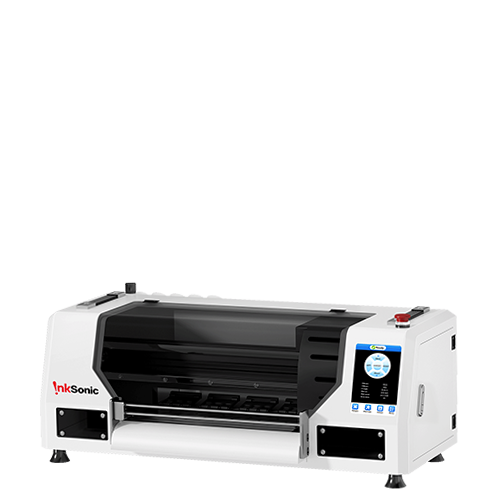


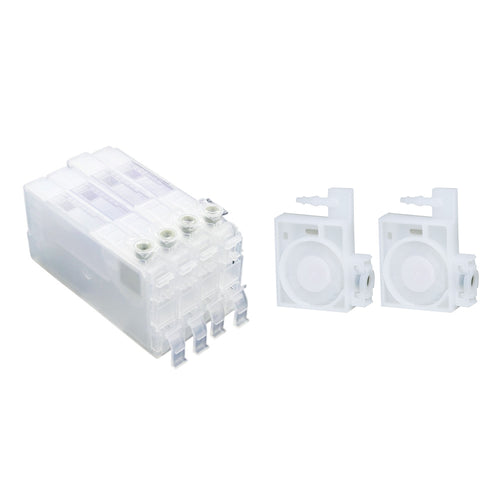





 F1080 14" DTF Printer H13


 L1800 A3+ DTF Printer E13
 R1390 A3+ DTF Printer C13
 L1800 A3+ DTF Printer E13A
 DTF Curing Oven 13.5in x 17.5in
 DTF Curing Oven with Built-in Filter 2026 New


