


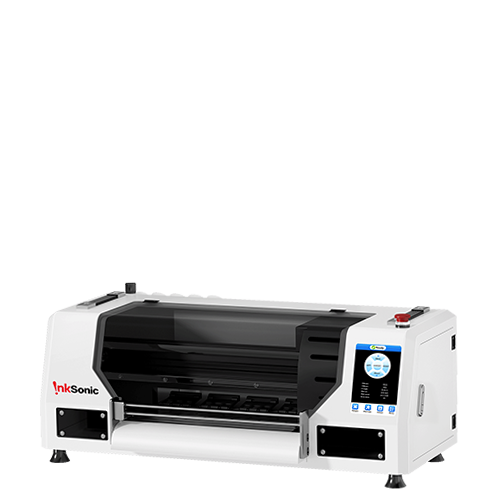


Choosing a method for printing T-Shirts Deciding on the right way to print shirts is your very first crucial step when starting a T-Shirt printing enterprise.
The best printing method for your business is going to vary depending on the fabrics you’re using, how many t-shirts you’re going to produce (volumes), how detailed your designs are, how prints you’d like on the fabrics, and how much time and money you want to spend.
In this blog post, we’ll explain to you the various t-shirt printing techniques that allow you to make your design a reality.We will cover it all from fabric compatibility to design scope for each method so you know what to expect and can make a knowledgeable choice.
Let's start and experience the world of t-shirt printing!
1. Screen Printing
Best suited for: Large orders with simple designs
Screen printing is an old and held-in-high-regard method of printing on textiles that has not fallen out of favor in recent times because of its durability and uncomplicated, striking effects. Printing is done by creating a stencil (or screen) for each color of a design. Ink is pushed through the screen onto the fabric in successive layering. This process is well-suited to printing bold, simple graphics that do not require fine lines.

Advantages of Screen Printing
- Long-lasting prints -The heavy ink application means prints hold up after getting washed multiple times and general usage and won't fade easily.
Economical for mass producing - Once you have set up the screens, it's fast and inexpensive to start printing large quantities, making this a great option for large orders.
Bright colors -This process creates rich, saturated colors that stand out on both light and dark clothing.
Cons of Screen Printing
- Complexity of colors limits -As each color needs its own screen, complicated or multi-color designs could become laborious and expensive.
Time spent on setup -Screening the screens, and putting them in the right orientation takes a lot of time, so it may not be as practical to use for small orders or single custom tees.
Not ideal for complex designs– Delicate gradients, photograph-quality images, or very intricate designs are difficult to achieve with standard screens.
Who Should Use Screen Printing?
Screen printing is ideal for businesses, clubs, or organizations that need a huge number of the same design—such as uniforms, advertising shirts, event gear, etc. It is also ideal for simple logos or images where heavy-duty wear and high color strike are the primary priority.
2. Direct-to-Garment (DTG) Printing
Best suited for: Medium to small orders of high-level, full-color designs
DTG printing is a newer method that works similar to an inkjet printer for clothes. Rather than through screens or transfers, the image is printed directly on the garment with water-based textile inks. It makes possible bright, photo-realistic prints and allows for capturing detailed information that other methods find difficult to accomplish. Since it does not involve setting up screens, DTG is particularly effective for short runs or single custom items.

Advantage of Direct-to-garment Printing
- The finelinest details and intricate designs - DTG is suitable for fine lines, gradients and photo prints that contain the most details.
No up front charges – With artwork printed directly on to the T shirt, there are no plates or screens to pay for so it’s great for small runs or one off personalisation.
Unlimited colors –Full-color prints, like gradients and realistic shading, are not difficult.
Cons of DTG Printing
- More sluggish for high-volumes – DTG isn't as fast as screen printing for very large quantities.
Fabric restrictions – Read More heat than just your clothing 100% cotton with prior applicability when mixed or darker is possible.
Durability – Unless the inks are cured well, prints may not be as durable as screen printing.
Who Should Use DTG Printing?
DTG is ideal for small businesses, custom apparel shops and designers who need short runs of high- detail, photo-realistic images and full-color designs on shirts. It works great on photo-realistic artwork, fine detail designs or customized goods in which setup time and flexibility are crucial.
3. DTF (Direct-to-Film) Printing
Best for: small to medium orders with full color designs
DTF printing is a quickly growing method of custom apparel production due to the durability and versatility it offers. DTF printing is a process of printing your design onto a specialized PET film, sprinkling heat sensitive adhesive powder, and then transferring it to the fabric using a heated press. DTF printing combines the advantages of heat transfer methods with the professional look of vibrant, durable prints.

Pros of DTF Printing
Quick setup and turnaround – Ideal for on-demand or short-run orders since no screens or extensive prep work are required.
Full-color capability – Handles detailed designs, gradients, and photographic images with ease.
Fabric versatility – Works on cotton, polyester, blends, and other fabric types, giving creators more freedom than many other methods.
Durable results – Prints resist fading and cracking, maintaining their color vibrancy after multiple washes.
Cons of DTF Printing
- Higher cost for very small runs – Slightly more expensive than basic heat transfers if you’re only producing a few shirts.
Equipment investment – Requires a DTF printer and a heat press, making the startup cost higher than simple transfer paper methods.
Heavier feel for large designs – Big prints may feel thicker on fabric compared to DTG, which lays ink directly onto the shirt.
Who Can Use DTF Printing
For small runs of garments, especially those that require many colors and high-quality prints, the choice to print DTF is excellent for that (Think—Boutique apparel companies, small companies, designers, all are good examples). It’s also handy for entrepreneurs who want to test out fabrics of all kinds, or who want to produce emblematic gifts or product lines fast.
4. Sublimation Printing
Best for: Polyester fabrics and all-over prints
Sublimation printing is a unique printing method with its own special inks – sublimation inks – and its own unique heat application process. The sublimation inks are heated which allows them to turn from a solid to a gas. That gas is then integrated into polyester fibers, which is different from other methods of printing, which sit atop the fabric. Sublimation printing results in seamless permanent designs that will never crack, peel or wash away, which is why it's a great choice for apparel that needs to be durable and products that require edge-to-edge printing.

Advantages of Sublimation Printing
Rich, permanent colors -Print quality remains impoverished even through multiple loads of laundry, continuous wear, and heavy wash.
Soft finish -Because the ink is absorbed in the fibers, the fabric will feel natural and not have additional texture.
Perfect for all-over designs -It has the capacity to create full-coverage prints that go around the entire piece.
Disadvantages of Sublimation Printing
- Fabric limitations – Work only on light-colored polyester fabrics.
Not suitable for cotton or dark garments – Design won't transfer well or retain quality on these fabrics.
Specialized requirements – Sublimation inks and printers required, which is more expensive in the initial investment.
Who Can Sublimation Printing Benefit?
Sublimation will be ideal for sports apparel, active apparel, polyester tees and other items that would benefit from full-coverage printing. That makes it especially good for anyone who runs a business, focuses on heavy-duty professional-grade prints that require bright colors and long-term staying power.
5. Embroidery & Appliqué
Best for: Logos, text, and premium designs on hats, polos, jackets, and denim
For embroidered, threads have been sewn into the fabric, whereas for appliqué, patches have been added to the garments. This results in an embossed, raised look that is professional and long lasting.

Pros:
- Extremely durable; designs can last the life of the garment
Premium, professional appearance
Works on thick or textured fabrics that are difficult to print on
Cons:
- Not suitable for highly detailed artwork or gradients
More expensive and time-consuming than other methods
Limited to smaller designs in most cases
Who should use it:
Perfect for corporate apparel, team uniforms, and high-end fashion products where texture and durability are key.
6. Foil & Puff Printing
Best for: Textured and visual designs with ornamentation
Foil printing and puff printing are special effect processes that produce striking effects on apparel. Foil printing involves using heat and adhesive to adhere metallic foils to the garment, resulting in a reflective, high-gloss appearance. Puff print results from the addition of another chemical into the ink that will swell or expand when heated, giving it a puffed, three dimensional look. These two processes are commonly used in combination with screen printing to highlight or create unique details in a design.

Pros of Foil & Puff Printing
Visually striking – Creates bold, eye-catching designs that stand out from standard prints.
Adds texture and depth – Perfect for designs that benefit from a tactile or dimensional look.
Great for exclusivity – Ideal for statement pieces, fashion collections, or special-edition releases.
Cons of Foil & Puff Printing
- Lower durability – Effects may fade or wear more quickly than traditional screen prints.
Limited use – Best suited for decorative accents rather than full-coverage graphics.
More production steps – Requires extra materials and heat press stages, adding to complexity.
Who Should Use Foil & Puff Printing?
These techniques are ideal for streetwear brands, limited-edition collections, or trendsetting clothing lines wanting to produce apparel with a non-recognized standout look. They are not suitable for everyday bulk printing but are great for designs with visual prominence and recognizability as the primary requirements.
Printing Method |
Best Fabric(s) |
Durability |
Ideal Order Size |
Color/Detail Capability |
Cost per Unit |
Best For / Notes |
Screen Printing |
Cotton, blends |
Very High |
Large batches |
Bold, simple colors |
Low for bulk, higher for small orders |
Promotional shirts, uniforms, event merchandise |
Direct-to-Garment (DTG) |
100% Cotton |
Medium |
Small–medium batches |
High detail, photo-quality |
Medium |
Custom orders, detailed designs, small businesses |
DTF (Direct-to-Film) Printing |
Cotton, polyester, blends |
High |
Small–medium batches |
Full-color images, gradients |
Medium |
On-demand printing, full-color designs, flexible fabrics |
Sublimation Printing |
Polyester (light colors) |
Very High |
Small–medium batches |
Full-coverage, vibrant prints |
Medium |
Sportswear, all-over prints, polyester t-shirts |
Embroidery / Appliqué |
Cotton, denim, jackets |
Very High |
Small–medium batches |
Limited detail, text/logos |
High |
Corporate apparel, premium designs, uniforms |
Foil & Puff Printing |
Cotton, blends |
Medium |
Small–medium batches |
Decorative, raised, metallic |
Medium–High |
Fashion pieces, streetwear, statement designs |
Why DTF Printing Stands Out
Although there is a time and place for all shirt printing methods, DTF reputation has continued to grow as the garments printing method of choice for a wide variety of modern apparel businesses. While screen printing is great for large orders and DTG is pretty much only made for cotton, DTF achieves that perfect balance of versatility, quality of product, and low price.
- Real Durability: DTF prints do not crack, fade or peel, even after dozens of washes; they hold true as direct-to-garment printing, but with even more detail and color possibility.
Print On Demand: DTF is a short process, meaning custom orders can now be completed just as quickly as small quantity orders with short setup time. This makes it an ideal solution for e-commerce stores, print on demand businesses, and small business.
High-Quality Full-Custom Designs: DTF can produce screen gradients, tiny details and photo-quality designs better than all the rest.
Fast ROI for Business Owners: With affordable consumable costs (ink, powder, film) and a high need for customized fashion, the majority of small businesses achieve a return on investment within months after purchasing a DTF printer.
Why Now Is the Best Time to Invest in a DTF Printer

A desktop DTF printer is one of the smartest investments you will ever make if you want to start or grow a custom t-shirt business. The custom apparel industry is growing, and customers demand long-lasting, professional, quality prints on all fabrics. The DTF printers with an A3 or XP600 can do just that without the drawbacks of other digital print technologies.
Instead of outsourcing or depending on entry-level machines, owning a DTF printer gives you complete command over quality, turnaround time, and profit margin. Whether beginning your first apparel line or expanding into bulk custom orders or making one-of-a-kind personalized presents, with a DTF printer, your business is prepared to meet demand with assurance.
Ready to Start Printing Smarter?
From traditional techniques (screen printing) to modern methods (DTG), each has its own benefits when it comes to t-shirt printing. But if you want a choice that provides very vibrant color, durability, flexibility, and the simplest process, DTF printing is really the next frontier of custom apparel.
Whether you’re just getting your fledgling clothing brand off the ground or you’re a small business looking to scale, a DTF printer investment — like an easy-to-use A3 model — provides professional results without the learning curve associated with more complex machinery and space-draining equipment.
Take the next step in your printing journey today. Explore our recommended DTF printers and start creating custom apparel that stands out, sells fast, and keeps customers coming back for more.


