









If you’ve been exploring ways to start a custom apparel business in 2026, you’ve probably seen DTF printing come up again and again.And honestly, there’s a reason for that.
DTF has quietly become one of the most practical ways for small businesses to get into printing—without the high upfront costs or production limits that come with more traditional methods.
But before you jump in and start buying equipment, there’s a more important question to ask:
Is DTF printing actually worth it for your situation?
The short answer:
👉 Yes—for the right setup and the right business model. This guide will walk you through what DTF really costs, how the profit works, and what you should think about before getting started—so you can make a decision that actually makes sense long-term.
What Is DTF Printing?
DTF (Direct-to-Film) printing is a process where your design is printed onto a special film, coated with adhesive powder, cured, and then heat-pressed onto fabric.If that sounds simple—it is, at least on paper.What makes DTF stand out is flexibility.
You can print on:
Cotton
Polyester
Blends
Canvas
Denim
Tote bags and more
And unlike some other methods, it works well on both light and dark garments without changing your entire workflow.
For a small business, that kind of flexibility matters more than most people realize.

Why DTF Printing Keeps Growing in 2026?
DTF isn’t perfect—but it solves a few real problems that small brands and new sellers run into all the time.
1. It works for small orders
If you’re doing one-offs, custom names, Etsy orders, or small brand drops, DTF makes sense.
You don’t need to produce in bulk just to make a profit.
2. You’re not limited to one type of product
T-shirts are just the start.
Most small shops end up expanding into:
Hoodies
Sweatshirts
Tote bags
Workwear
Event merchandise
DTF lets you do all of that without switching systems.
3. The startup cost is relatively manageable
Compared to full DTG setups or screen printing shops, DTF is much easier to get into.
Not cheap—but realistic.
4. The quality is solid (when done right)
When your setup is dialed in, DTF prints can look sharp, feel good, and hold up well over time.
That said—getting to that point takes a bit of practice.
How the DTF Process Works (In Real Life)
Here’s the simplified workflow:
Prepare your artwork
Print onto DTF film
Apply hot-melt adhesive powder
Cure the powder
Heat press onto the garment
That’s the process.The part people don’t always talk about?
Consistency.Getting repeatable results—same color, same adhesion, same finish—takes some dialing in.And this is exactly where your equipment choice starts to matter.

What Does It Actually Cost to Start DTF Printing?
For most new individuals or small studios, the overall cost of a standard equipment set is likely between $2,000 and $5,000.
Here’s a basic estimate of the overall cost of each equipment set for a beginner:
DTF Printer: $1,500 - $4,000
Heat Press: $300 - $2,000
Film: $50 - $150 per roll
Powder: ~ $40 - $60/kg
Design Software: $20 - $50/month
Workspace/Ventilation: Varies

A quick reality check
One thing a lot of people underestimate is the true cost of a printer.It’s not just the price tag.
It’s:
How easy it is to maintain
How often it clogs or needs attention
How much material you waste while learning
Whether you can actually run it consistently
That’s why many beginners lean toward more user-friendly systems instead of trying to piece together the cheapest setup possible.
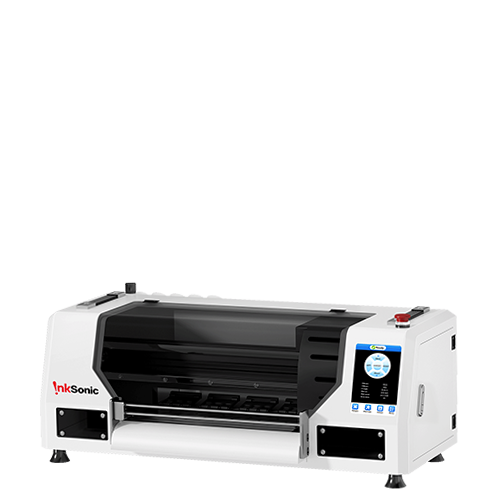
If you’ve been comparing options, you’ve probably come across brands like InkSonic. They’ve become a common starting point for smaller businesses mainly because the machines are built to be easier to run day-to-day—especially if you’re still learning the process.
If you're still in the research phase, it’s worth taking a look at different entry-level setups side by side to see what fits your workflow best.
Ongoing Costs (What People Often Miss)
Startup cost is only part of the picture.Once you’re running, your ongoing costs will include:
Ink
Film
Powder
Blank garments
Packaging
Maintenance
Electricity
And one more thing:
Waste.In the first few weeks, you will mess up prints. Everyone does.Bad settings, wrong pressure, color issues—it’s part of the learning curve.Plan for it.
How Much Profit Can You Really Make?
Let’s keep this grounded.A typical custom T-shirt might sell for:$20 – $30
Basic cost example:
- Shirt: $2 – $4
- Ink + film + powder: $1 – $2
- Total cost: $3 – $6
On paper, that looks great.But real profit depends on more than materials.

You also need to account for:
- Your time
- Packaging
- Shipping
- Platform fees (Etsy, Shopify, etc.)
- Equipment upkeep
- Failed prints
Is DTF a Good Choice for Beginners?
In many cases, yes.DTF is one of the more forgiving ways to get started because:
You don’t need bulk orders
You can test products easily
You can expand your product range quickly
But “beginner-friendly” doesn’t mean effortless.You’ll still need to learn:
Artwork setup
Press settings
Maintenance routines
Material behavior
If I had to point out one thing beginners underestimate, it’s this:Consistency matters more than speed.And that’s why starting with a stable, easy-to-manage setup can make a huge difference early on.
What to Look for in Your First DTF Printer
What to Look for in Your First DTF PrinterBefore you buy, focus on what actually affects your day-to-day workflow:
1.Ease of maintenance
You’ll be cleaning and maintaining regularly—make sure it’s manageable.
2.Reliable outputConsistency reduces waste and saves money.
3.Support & documentation
When something goes wrong (and it will), support matters.
4.Workflow simplicity
The easier it is to run, the faster you can move from testing to selling.
This is exactly why many new businesses compare beginner-focused systems—like those from InkSonic—when they’re getting started. Not because they’re the cheapest, but because they’re designed to reduce friction in the early stages.
Common Mistakes to Avoid
A few things that slow people down:
Underpricing products
Buying equipment before finding customers
Using low-quality materials
Skipping maintenance
Expecting perfect results too quickly
None of these are deal-breakers—but they do cost time and money.
So, Is DTF Printing Worth It in 2026?
For a lot of businesses—yes.
DTF hits a balance that’s hard to beat right now:
Manageable startup cost
Flexible production
Strong profit potential
Scalable over time
But it’s worth it when you treat it like a business—not just a machine purchase.
Final Thoughts
DTF printing isn’t the easiest path—but it’s one of the most practical ones.It gives you a way to start small, test ideas, and grow at your own pace without being locked into large production runs.If you’re serious about getting into custom printing, the smartest move isn’t just choosing any printer.It’s choosing a setup you can actually run consistently.
And if you’re still comparing options, take your time. Look at real workflows, not just specs. The right setup will make everything—from your first print to your hundredth—much easier to manage.
Ready to Explore DTF Equipment?
If you want to see what a beginner-friendly DTF setup looks like in practice, you can browse available systems and compare options here

Market Research:Conrad
Conrad is InkSonic’s market research specialist. Since the company’s start, he’s been on top of the DTF printer market, knowing the pros of every model. He’s given many startup clients solid buying tips and profit strategies, helping them take that crucial first step.


