


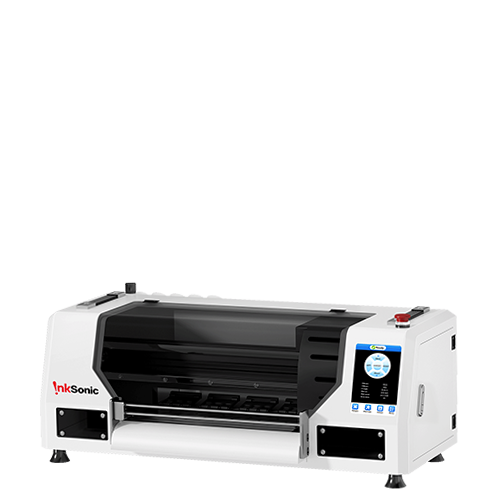


With the growing use of DTF (Direct to Film) printing technology in personalized apparel, cultural products, and custom orders, more entrepreneurs are starting their own DTF businesses. But a common question is: "How exactly should I price my DTF products?"
Pricing may seem like just a number, but behind it lies cost control, brand positioning, customer psychology, and profit strategy. This guide will help you break down the science of pricing from 12 angles to ensure you're both selling and profiting.
1. Why Is Pricing So Important?
Pricing is the customer's first impression of your product's value. It's not just a number, but a reflection of service quality, design level, and customization.
A smart pricing strategy helps you:
- Maintain profit margins to support operations
- Differentiate product tiers and build your brand
- Respond to cost fluctuations and market changes
- Run promotions without losing money
Remember: Your product can be imperfect, but your pricing must be precise.
2. Common Pricing Mistakes Beginners Make
Here are the traps many small DTF sellers fall into:
Undercutting to get orders : Often leads to a race to the bottom
Only counting film and shirt costs: Overlooking electricity, time, delivery, and taxes
Ignoring hidden costs: Platform fees, marketing spend, returns, and software like Photoshop
Random pricing: Lack of pricing standards lowers professionalism
Thinking like an employee, not a business owner: Your time and skills must be valued
3. Understand Your Full Cost Structure
To price effectively, you must know the true cost per item:

1) Material Costs
- DTF film (A3, A4, rolls)
- Ink (CMYK + white)
- Hot melt powder
- Blank T-shirts, hoodies, canvas bags, etc.
Example: An A3 print's average supply cost is about $1.40. A blank T-shirt costs around $4. With packaging, total materials might be $5–6.
2) Equipment Depreciation & Maintenance

Printhead replacement every 6 months: ~$300–400 → $1.6–2.2/day
Cleaning fluids, ink dampers, maintenance kits: $1–3/day
Electricity: estimate daily usage divided by daily production
InkBear estimates the equipment wear cost per product at approximately $ 5 per item .
3) Labor Cost

Design (10 mins) or more for custom orders
Printing & heat pressing (8 mins)
Packaging & shipping (3 mins)
Total ~21 minutes per item. If your target hourly rate is $20, then the labor cost is $ 6 per item .
4) Shipping & Packaging

Bags, labels, flyers
Shipping fees ($2–8)
Gift boxes or custom packaging (extra)
So, a typical printed T-shirt could cost $15–20 in total.
4. The Golden Rule: Cost × 3 = Selling Price

A reliable pricing strategy:
Recommended Price = Cost × 3
Why times 3?
First part: Covers costs
Second part: Your profit
Third part: Covers marketing, returns, and platform fees
Example:
Cost ItemAmount ($) |
|
Materials |
6 |
Labor |
6 |
Equipment |
5 |
Packaging & Shipping |
4 |
Total Cost |
21 |
Recommended Price |
63 |
For lower-cost items like canvas bags or mugs, a 2.5x markup may be enough.
5. Consider Value, Not Just Cost
Customers pay for emotions and experience, not just materials.
Customization: Pet photos, couple portraits, etc., can be charged extra
Emotional or memorial value: Justifies 20%+ price increase
Scarcity and creativity: Original IPs or fan art allow premium pricing
6. Benchmark Prices Based on the Market

Know how others are pricing:
- Browse Etsy, TikTok, Temu, Shein, etc.
- Note price ranges, design styles, and target audiences
- Compare your strengths: Better designs? Better packaging? Faster delivery?
If you offer more value, charge more. Never compete purely on price.
7. Use Tiered Pricing to Target Different Customers
Product Tier Examples:
Product Type |
Cost ($) |
Selling Price ($) |
Target Audience |
Basic Tee |
5–7 |
25–35 |
Students, sales promos |
Premium Tee |
8–10 |
40–60 |
Custom order clients |
Hoodie |
12–18 |
45–80 |
Couples, fall/winter focus |
Canvas Bag |
2–3 |
15–25 |
Handmade market, creatives |
Baby Clothes |
6–8 |
30–50 |
New parents, gift buyers |
Package deals help too:
- T-shirt + canvas bag = $55
- Couple's set = $99
- Buy 3, get 12% off / free shipping
8. Offer Volume Discounts for Group Orders
Larger orders deserve discounts—but don’t lose profit. Example:
Quantity |
Discount |
1–10 |
Full price |
11–30 |
5% off |
31–50 |
10% off |
51+ |
15%+ negotiable |
Pro Tips:
- Charge separate design/sample fees
- Collect deposits to prevent cancellations
- Sign agreements for big orders
9. Charge for Add-On Services
Don’t let your extra work go unpaid. Many customers are happy to pay:
Service |
Suggested Fee ($) |
Original design |
10–100 |
Rush order |
20–50 |
Gift box packaging |
10–30 |
Group sample fee |
15–50 |
File editing |
10–30 |
Each service adds value—and profit.
10. Use a DTF Pricing Calculator

Create an Excel or Google Sheet with:
- Product name
- Film/ink/powder cost
- Garment cost
- Estimated labor
- Packaging/shipping
- Total cost
- Suggested price (×2.5 or ×3)
- Actual sale price
- Auto-calculated profit margin
This helps you quote quickly and professionally.
11. Five Fatal DTF Result Pricing Traps
- Not adjusting prices after cost increases
- Believing in high volume = high profit
- Giving away gifts or shipping for reviews
- Forgetting ad spend or platform commissions
- Random pricing due to fear of losing orders
Reminder: You're not a charity. You're a business owner. Charge accordingly.
12. Final Words: You Deserve Better Prices
Your DTF prints are not just ink on shirts. They’re a combination of service, design, customization, and emotion.
Pricing is not just about profit—it's a statement of your brand. Charge boldly, justify your price with quality and professionalism, and your customers will pay for what you're worth.


