


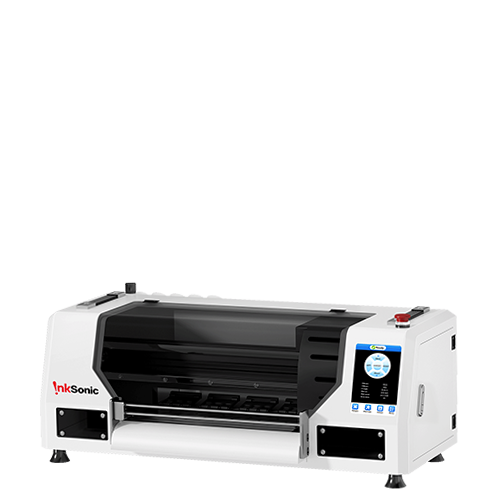


When you’re first exploring custom apparel printing, it’s natural to look for shortcuts. One of the most common questions beginners ask is: “Can I do a DTF transfer with regular printer ink?” After all, if you already own an inkjet printer, it seems logical to use what you have.
But here’s the truth: while the idea may sound simple and cost-effective, regular printer ink is not suitable for DTF transfers. Using the wrong type of ink will not only ruin your prints but may also damage your printer and waste your investment in films, powders, and apparel blanks.
In this guide, we’ll break down why regular inks don’t work for DTF printing, explain what makes DTF inks special, and show you how the right supplies save time, money, and frustration.
What Is DTF Printing?
Direct-to-Film (DTF) printing is a younger but growing with great speed method of custom fashion decoration. Instead of printing directly on fabric (like with DTG printing), you print designs on special PET film using a special DTF printer and special inks.
The printed film is subsequently coated with hot-melt adhesive powder, heat-cured, and pressed onto the fabric. The glue retains the ink on the fabric, forming bright, flexible, and enduring prints.
The technology relies on chemistry of ink — DTF inks are formulated to adhere to film, bond with adhesive powder, and withstand heat curing. This is where the difference between regular inks and DTF inks becomes critical.

Why Regular Printer Ink Doesn’t Work for DTF Transfers
It’s tempting to experiment with standard dye or pigment inks in your printer, but this usually ends in frustration. Here’s why:
1. Poor Adhesion to PET Film
Regular inks are designed for paper, not plastic films. When printed on PET, the ink tends to sit on the surface without properly bonding. This causes:
Smudging or smearing during powder application
Uneven coverage
Ink lifting off during transfer
2. No Wash Durability
Even if you manage to press the transfer onto fabric, regular ink cannot withstand washing. Prints often:
Fade drastically after one wash
Crack or peel
Lose vibrancy and look “cheap”
3. Incompatibility with Adhesive Powder
Hot-melt powder is the secret behind strong DTF adhesion. But powder doesn’t bond with regular inks, so you’ll see:
Powder clumps that don’t fuse
Weak bonds that peel off clothes
Wasted materials
4. Risk of Printer Damage
Using non-DTF inks can clog printheads and damage components because the viscosity and formulation aren’t compatible. This leads to:
Frequent clogs
Reduced nozzle life
Costly repairs or printer replacement
In short, regular inks make DTF transfers a waste of time, money, and materials.
What Makes DTF Ink Different?
If regular ink doesn’t work, what’s so special about DTF ink? Here’s what sets it apart:
1. Designed for PET Film
DTF inks contain binders and pigments that adhere to PET film surfaces. This creates sharp, consistent designs that are easy to coat with adhesive powder.
2. Wash-Resistant Formulation
The chemistry ensures that once cured, DTF inks bond firmly to fabric through the adhesive layer. Your prints remain vibrant and flexible, even after 50+ washes.
3. White Ink Layer Support
Unlike standard inks, DTF systems use special white ink. This enables designs to pop on dark fabrics and ensures accurate color reproduction. Without white ink, most designs look dull or washed out.
4. Reduced Maintenance & Longer Printhead Life
Good-quality DTF inks are engineered with the right viscosity and flow properties. This means:
Fewer clogs
Cleaner printing
Extended printer lifespan
5. Compatibility with Heat & Adhesive Powder
DTF inks are formulated to withstand high curing temperatures without breaking down. They fuse seamlessly with powder, producing strong, flexible transfers.
Real-World Example: Regular Ink vs. DTF Ink
The following two customer stories are from real InkSonic customers. Imagine two entrepreneurs starting small apparel businesses with big dreams.
Alex, eager to save money, decides to use regular pigment ink in an old printer. At first glance, the print on PET film looks passable.
But problems appear quickly: the ink smears during powder application, leaving uneven coverage. When Alex presses the transfer, the colors look dull and the design peels after the very first wash. Customers complain, returns pile up, and the wasted PET film, powder, and t-shirts eat into profits. To make matters worse, the printer soon clogs from incompatible ink, requiring expensive repairs.
Instead of building momentum, Alex’s small business stalls before it even begins. Therefore, Alex purchased a new DTF printer and the corresponding ink from InkSonic, started over, and successfully recovered his sunk costs.
Jamie, on the other hand, chooses to invest in genuine DTF inks from the start. The difference is evident immediately: The inks feed smoothly through the printer, adhere cleanly to PET film, and bond solidly with adhesive powder.
After pressing, the transfers are brilliant, flexible, and wash-resistant--even after dozens of laundry cycles. Customers are impressed with the professional quality, leaving positive reviews and recommending Jamie's shop to their friends. In a few short months, Jamie's business begins to grow steadily, with repeat orders and new opportunities to expand into hats, hoodies, and custom product designs.
Alex’s small “savings” by opting to use regular ink, cost far more in spoiled materials, printer downtime, and lost reputation. Jamie’s investment in the correct DTF ink not only paid for itself, but helped the establishment of a growing, sustainable business.
Cost vs. Value: Why DTF Ink Is Worth It
At first glance, regular printer ink may seem more cost-effective. However, when you consider wasted materials, ruined clothes, and damage to the printer, it costs shockingly more in the long run.
With DTF ink, you get:
Higher success rate per print
Long-lasting, professional results
Lower maintenance costs
Customer-ready transfers you can confidently sell
For hobbyists, DTF ink means fewer frustrations. For business owners, it means higher profits and repeat customers.
Choosing the Right DTF Ink
Not all DTF inks are created equal. When choosing your supplies, consider the following:
Compatibility: Make sure the ink is compatible with your printer model.
Pigment quality: The higher quality the pigments, the truer and more vibrant colors will be.
White ink stability: Good white ink will not settle too fast and is not too easy to clog.
Packaging: Smaller and more convenient bottle size (for example, 250 ml) is good to decrease exposure and be more fresh.
InkSonic DTF Inks: A Trusted Choice

At InkSonic, our DTF ink combine:
Premium German solvents for durability
Japanese pigments for vibrant colors
Beginner-friendly packaging in 250 ml bottles
Excellent compatibility with Epson printheads
The result? Prints that are vivid, long-lasting, and easy to produce.
FAQs
1. Can I use sublimation ink for DTF transfers?
No. Sublimation inks are designed for polyester fabrics and don’t work with adhesive powders or PET film.
2. What happens if I use regular ink just once?
Even a single attempt can clog your printer or waste film. It’s better not to risk it.
3. Do I need different inks for light and dark fabrics?
No, but you do need white DTF ink as a base layer for dark garments.
4. Is DTF ink hard to maintain?
Not if you choose high-quality ink. Proper storage and occasional shaking are usually enough.
Tips for Beginners
If you’re new to DTF printing, here are some quick tips:
Always use PET film designed for DTF, not regular transparency film.
Store your ink bottles in a cool, dry place.
Run regular nozzle checks to avoid clogs.
Invest in a curing unit or heat press for consistent results.
Regular Ink vs. DTF Ink:
Feature |
Regular Printer Ink |
DTF Ink |
Adhesion to PET film |
Poor |
Excellent |
Wash resistance |
Fades/peels |
Long-lasting |
White ink support |
None |
Yes |
Printer compatibility |
High risk of clogs |
Printer-safe |
Cost efficiency |
Wasteful |
High value |
Don’t Risk It with Regular Ink
While it may be tempting to use what’s already in your printer, DTF transfers with regular printer ink simply don’t work. The outcomes are limited, temporary, and frequently harmful to your hardware.
In comparison, DTF inks are created for the operation of unplug, adhere to film, adhere to adhesive powder, withstand heat curing, and provide durable, brilliant designs that your consumers will appreciate.
Regardless of whether you’re testing a fresh custom t-shirt or starting a side business, opening with the appropriate ink is the wisest choice you can make.
Ready to get started? Explore our professional-grade InkSonic DTF inks — designed to protect your printer, maximize efficiency, and produce prints that truly stand out.


